In today's fast-paced manufacturing landscape, the demand for innovative solutions is paramount. Companies are constantly seeking ways to enhance efficiency and reduce costs. One compelling alternative is the Metal 3D printing service. This technology allows for rapid prototyping and complex designs that traditional methods struggle to achieve. It reshapes possibilities in manufacturing.
Metal 3D printing provides unparalleled customization. It enables the creation of lightweight structures without sacrificing strength. This service caters to diverse industries, from aerospace to healthcare. However, integrating this technology requires careful consideration. Not all projects benefit from 3D printing, and there can be a learning curve for teams.
Embracing a Metal 3D printing service may lead to unexpected challenges. The initial investment can be daunting, with varied quality standards in available services. Companies must assess their specific needs closely. Evaluating these factors can lead to better outcomes and truly embrace the potential of this transformative technology.
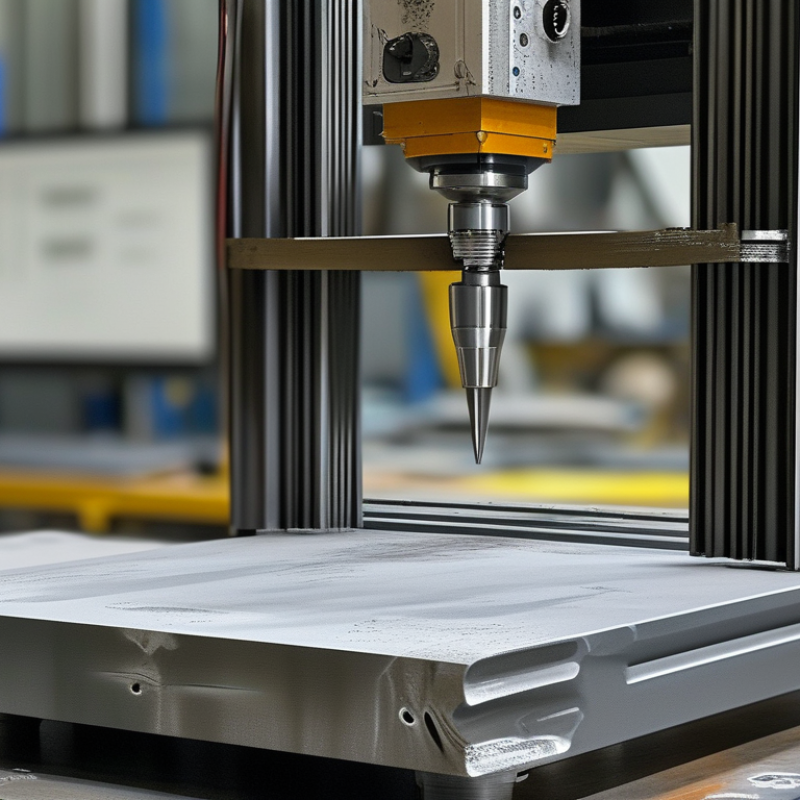
Metal 3D printing is revolutionizing modern manufacturing. This technology offers unique advantages that traditional methods cannot match. One major benefit is the ability to create complex geometries. Manufacturers can design parts that were previously impossible to produce. This capability leads to lighter, stronger components that enhance overall product performance.
Cost efficiency is another significant advantage. Metal 3D printing reduces material waste during production. Instead of cutting away excess material, parts are built layer by layer. This can lower costs in both materials and labor. Companies can also shorten lead times by quickly producing prototypes. This allows for faster iterations and improved designs.
Tips: When considering metal 3D printing, think about the design phase. Early collaboration with engineers can streamline the process. Additionally, verify the service provider's experience and capabilities. Some providers may not have the expertise for complex designs. Ensure that they can meet your specific needs to avoid potential challenges in production.
: Metal 3D printing offers design flexibility, allowing for complex geometries that are hard or costly to achieve using traditional methods.
It can create intricate parts in a single build, reducing both time and waste compared to traditional processes.
Yes, parts made via metal 3D printing can weigh up to 55% less than those produced through conventional methods.
Issues like surface finish inconsistencies and high initial investment costs can deter manufacturers from adopting this technology.
There is a shift towards automation and enhanced material capabilities, improving design and structural options.
Yes, they must be aware of issues like surface finish and dimensional accuracy when planning their production strategies.
It can significantly reduce waste, but energy consumption raises questions about its overall carbon footprint.
Regular assessment helps ensure that metal 3D printing aligns with production needs and sustainability goals.
It requires continuous learning and adaptation, which may involve both successes and setbacks.
They should consider the lifecycle of products and their impact on production efficiency and environmental responsibility.
Metal 3D printing service has emerged as a transformative solution in modern manufacturing, offering numerous benefits such as design flexibility, reduced material waste, and faster production times. Industries ranging from aerospace to healthcare are increasingly utilizing this technology due to its ability to produce complex geometries that traditional manufacturing methods struggle to achieve. Key applications demonstrate how metal 3D printing can enhance performance and innovation across various sectors.
When considering a metal 3D printing service, factors like material compatibility, technology capability, and cost-effectiveness are crucial for ensuring the right fit for specific manufacturing needs. As the technology continues to evolve, future trends indicate an expansion in applications and improvements in efficiency, signaling a significant shift in manufacturing processes. Embracing metal 3D printing service not only meets current production demands but also positions companies at the forefront of industry advancements.

 Creatingtec